Less than 1% of glassware earns the title of true crystal - and an even smaller fraction carries the weight of centuries-old mastery. When you hold a piece shaped by fire, breath, and hand-cut precision, you’re touching history. Two names dominate this rarefied world: Saint Louis and Baccarat. Both hail from France’s grand tradition of luxury crystal, yet they offer distinct expressions of elegance. This isn’t just about wine glasses - it’s about legacy, light, and the quiet confidence of owning something made to last generations.
The heritage of French crystal manufacturers
Nestled in the Vosges mountains, the village of Saint-Louis-lès-Bitche has echoed with the song of molten crystal for over 430 years. It was here, in 1586, that the first glassworks took root - later crowned theRoyal Glassworks by Louis XV. This designation wasn’t ceremonial; it signaled France’s commitment to elevating glassmaking into high art. While Baccarat emerged slightly later in 1764, in the Lorraine region, both houses grew under royal patronage, refining techniques that remain unchanged to this day.
What sets these manufacturers apart isn’t just age - it’s continuity. Through revolutions, wars, and industrial shifts, both Saint Louis and Baccarat preserved the centuries of mouth-blowing expertise that define their identity. The pursuit of table perfection often leads connoisseurs to invest in handcrafted crystal wine glasses, where each piece reflects a lineage of skill passed from master to apprentice. While modern machinery dominates most luxury goods, here, the human hand still reigns.
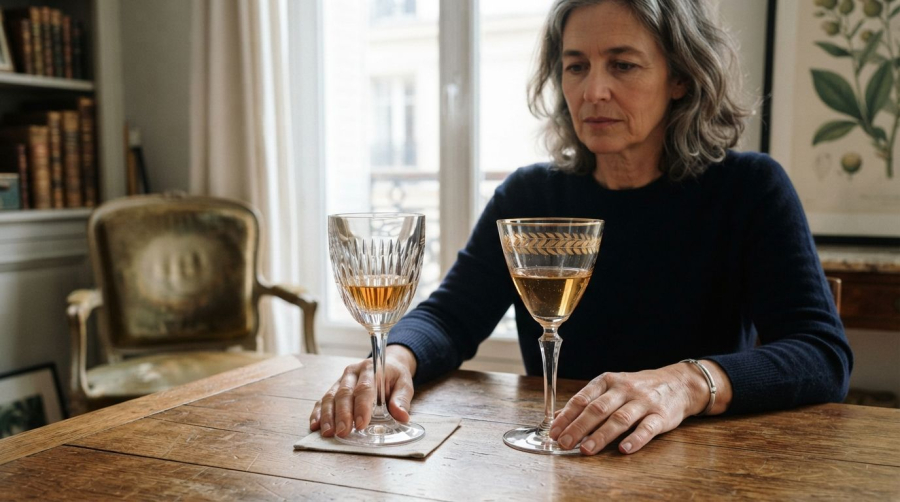
Centuries of artisan craftsmanship
The early years were defined by necessity and innovation. Without access to abundant wood for furnaces, Saint Louis developed cleaner-burning coal techniques, improving crystal clarity. Baccarat, meanwhile, pioneered lead crystal in the 19th century, achieving a brilliance that captivated European courts. Today, both brands stand as pillars of the art de vivre à la française, where function and beauty coexist without compromise.
Comparing design aesthetics and technical features
At first glance, Saint Louis and Baccarat may seem similar - both shimmer, both carry prestige, both feel substantial in hand. But look closer, and their philosophies diverge. Saint Louis leans into bold geometry and deep cuts, maximizing unrivaled light refraction through intricate patterns. Baccarat often favors fluid, organic lines - a more subtle elegance that whispers rather than declares.
Visual identity and light refraction
The magic of crystal lies in how it transforms light. Saint Louis is known for its deep bevel hand-cutting, creating facets that fracture and scatter light like a prism. This results in a more dramatic sparkle - ideal for formal dining where ambiance is key. Baccarat, while equally precise, tends toward smoother surfaces and rounded profiles, producing a softer glow. The difference? One commands attention; the other invites intimacy.
From traditional cuts to modern silhouettes
Tradition remains central, but both houses have embraced modernity. Saint Louis’s Torsade collection, for instance, blends classic stemware with contemporary minimalism - clean lines, understated twists, and a focus on proportion. Baccarat has responded with sleeker interpretations of its heritage patterns, like Harmonie and Vista. Yet even in modern forms, the core DNA persists: no mass production, no shortcuts.
Daily utility and durability
Luxury doesn’t have to mean fragile. Both brands produce crystal that’s surprisingly resilient, thanks to high lead content (typically 24-30%), which enhances both weight and resonance. A tap on the rim produces a clear, sustained ring - a hallmark of quality. In daily use, Saint Louis pieces tend to feel slightly heavier, with a more pronounced base, while Baccarat offers a balanced, almost weightless sensation. For frequent entertaining, both perform well - though handwashing remains essential.
| Brand | Signature Style | Historic Milestone | Modern Innovation |
|---|---|---|---|
| Saint Louis | Geometric cuts, deep bevels, bold silhouettes | Established in 1586; first crystal glassmaker in France | Torsade collection with integrated LED lighting |
| Baccarat | Organic curves, refined simplicity, soft brilliance | Introduced lead crystal in 1816; royal supplier status | Collaborations with contemporary designers and artists |
Technical mastery in crystal identification
Not all crystal is created equal - and telling the difference requires more than a keen eye. Authentic pieces from Saint Louis and Baccarat bear marks of origin, but these have evolved over time. Early 19th-century items may lack signatures, as standardized branding came later. By the 20th century, both houses adopted acid-etched logos - discreet but precise. Today, you’ll find “Saint Louis” or “Baccarat” etched near the base, often accompanied by a model number.
Reading the marks of excellence
Collectors know that provenance matters. Saint Louis typically uses a star-shaped hallmark for limited editions, while Baccarat may include a red B for certain vintage lines. The absence of a mark doesn’t mean a piece is fake - many pre-1930s items were unsigned - but consistency in cut, weight, and resonance helps verify authenticity. A genuine piece should feel cool, dense, and perfectly balanced.
The mouth-blowing process
Every glass begins as molten crystal, heated to over 1,400°C. A master glassblower gathers the viscous material on a blowpipe, shaping it with breath and hand tools. This stage demands split-second precision - too much pressure, and the piece collapses; too little, and it won’t hold form. Once shaped, the glass undergoes annealing, a slow cooling process that relieves internal stress. Only then does it move to cutting, where artisans spend hours hand-faceting each piece. This entire process can take days - for a single glass.
Selecting the right premium crystal glassware
Choosing between Saint Louis and Baccarat isn’t just about brand loyalty - it’s about how the pieces fit your life. Are you drawn to drama or discretion? Do you entertain often, or collect for display? The best crystal serves both purpose and passion. Investing in such pieces means considering more than beauty; it’s about longevity, usability, and emotional resonance.
Matching stemware to your lifestyle
Here’s what to weigh when making your choice:
- Clarity of the crystal - should be flawless, with no cloudiness or bubbles
- Complexity of the cut - deeper patterns enhance light play but may be harder to clean
- Weight and balance in hand - should feel stable, not top-heavy or awkward
- Availability of replacement pieces - both brands offer reordering, but some collections are limited
- Heritage value - older patterns or numbered editions may appreciate over time
The basic questions
How did it feel the first time you handled a glass from the 19th century compared to a modern one?
There’s a density in antique crystal that modern pieces rarely match - a result of slightly different formulations and slower cooling techniques. The resonance is deeper, almost musical. Modern glasses are more consistent in shape, but vintage pieces carry a soulful imperfection, a reminder of the hand that shaped them.
What happens if I break one glass from a limited edition service?
Luxury crystal houses like Saint Louis and Baccarat often provide restoration or custom re-creation services. While exact matches depend on pattern availability, many workshops can reproduce individual pieces using original molds and techniques, preserving the integrity of your set.
I am starting my first collection; should I focus on color or clear crystal?
Begin with clear crystal - it’s more versatile, easier to pair with tableware, and showcases the craftsmanship most effectively. Once you’ve mastered the essentials, explore colored or ‘doublé’ crystal, where layers of tinted and clear glass create stunning depth.
